
A cover letter has one page to do one job: make someone want to read the CV. Every word past that is competing with the document it is supposed to support.
The short answer
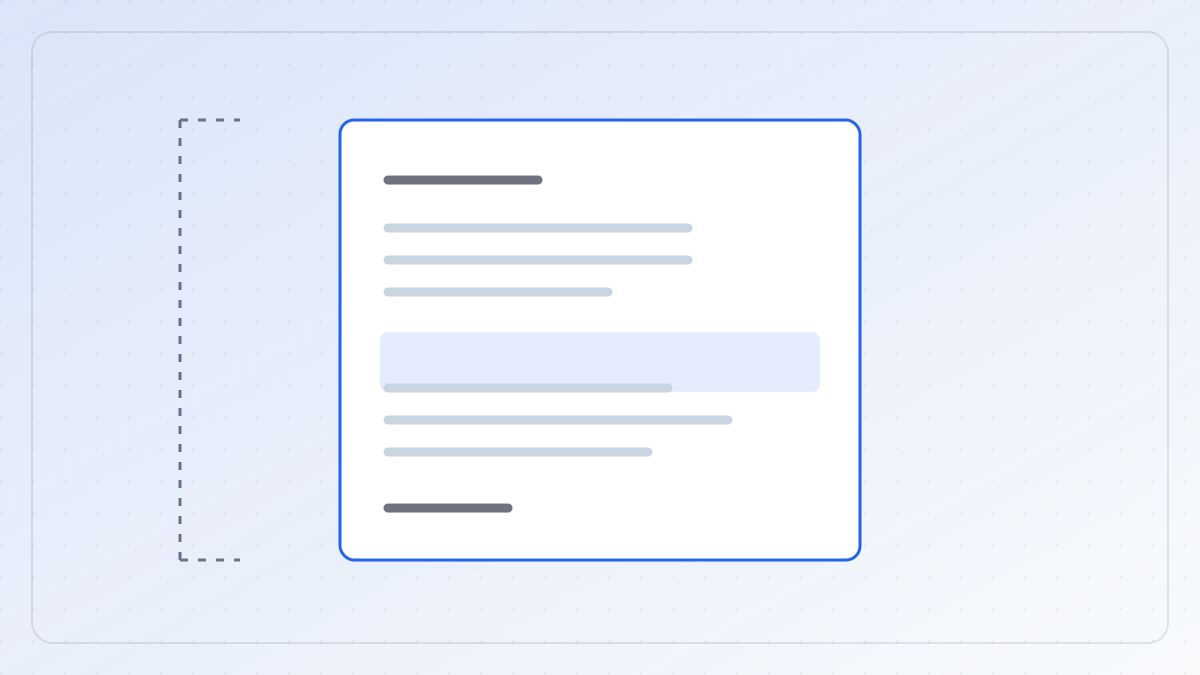
One page. 250 to 400 words. Three paragraphs — why this role, what you bring with one piece of evidence, and a close that asks for the next step. If the advert states a limit, that limit wins.
Why that length
It is long enough for one specific argument and short enough to read in under a minute. A recruiter with forty applications is not reading a two-page letter; they are reading the first three lines and deciding. The rest exists for the ones who read further. A letter that fits on one screen invites reading; a letter that scrolls invites postponement.
When shorter is better
- High-volume hiring: retail, hospitality, contact centres. Two short paragraphs, one specific detail, done.
- A stated limit: some portals cap characters, not words. Write to the cap.
- An internal application: the reader knows you. Three sentences can be enough.
- A speculative approach: even shorter, because there is no advert to answer — say what you want and why this employer.
When longer is acceptable
Rarely, and only with a reason: an academic or research application where you must address a specific project, or a senior role where the advert asks for a response to several named criteria. Even then, structure beats length — answer each criterion in a short block rather than writing an essay.
Cutting a letter that has run long
1. Delete the first paragraph if it is about you. "I am writing to apply for…" is a sentence the reader already knows from the subject line.
2. Keep one piece of evidence, not three. The strongest example, with a number.
3. Remove any sentence that repeats the CV. The letter adds the argument; the CV holds the record.
4. Cut adjectives about yourself. Hard-working, passionate, dedicated — no reader has ever been persuaded by them.
5. Shorten the close. "I would welcome a conversation" beats four lines about availability and gratitude.
A 40-word check
Read only the first sentence of each paragraph. If those three sentences make the argument on their own, the letter works and the rest is supporting detail. If they do not, the structure is wrong and length will not fix it.
Spacing and format
One page with normal margins, single spacing, a blank line between paragraphs. The same font and size as the CV so the pair looks deliberate. No letterhead graphic, no photo, no coloured background — those cost space and add nothing.
Next step
Draft it in the cover letter builder, which produces this structure in four formats, then check the count with the word and character counter when an advert states a limit. If the letter needs a shape rather than a length, the cover letter format guide covers the five blocks in detail.