
Ask ten recruiters about CV length and you get two answers, because the answer depends on the market and on what you have actually done. The useful version of the rule is about content, not page count.
The short answer
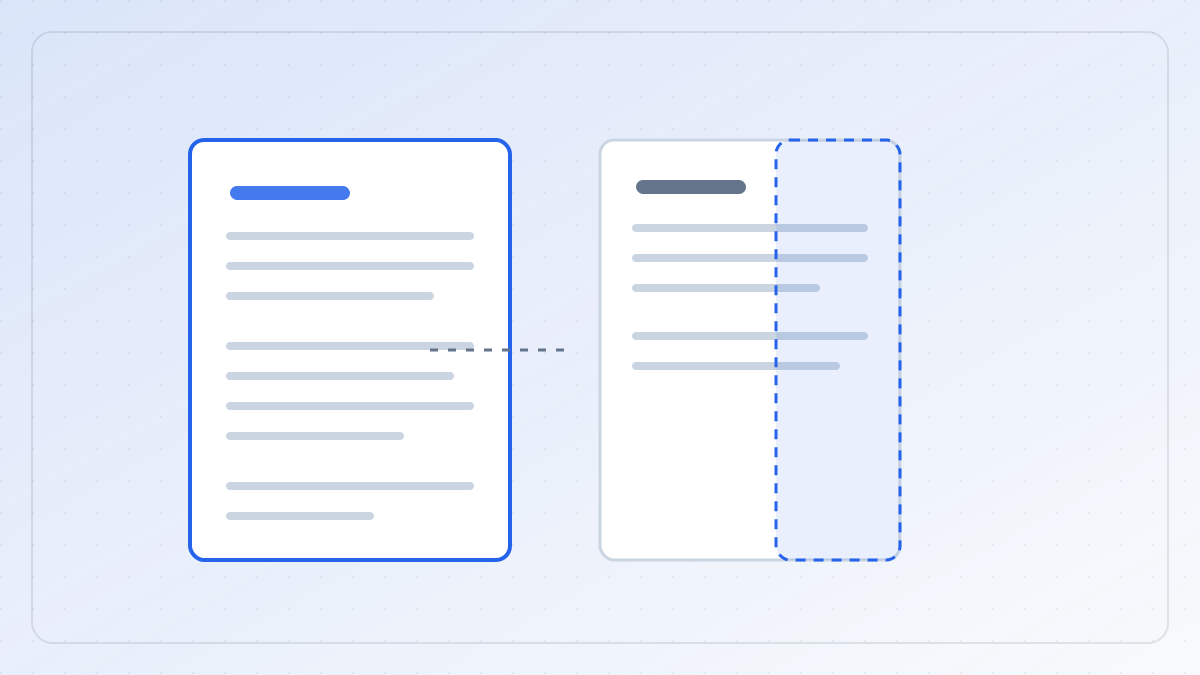
One page below roughly five years of relevant experience, or when you are changing field and trimming old detail. Two pages once your history needs the space. A third page only for an academic or medical CV, where publications or case records are the point.
What makes a CV too long is not the number of pages. It is a page that repeats, pads, or lists duties nobody asked about.
What earns a second page
- Roles held long enough to produce results, each with three to five bullets.
- A regulated or technical field where certifications, equipment or methods must be listed.
- A visible progression worth showing: junior to senior, with or without changes of employer.
- Publications, patents, teaching or committee work, for the roles where those count.
If none of those apply, a second page is usually spill, and spill reads as padding to someone skimming.
What padding looks like
- A profile of six lines that repeats the first role.
- Bullets that describe the job description rather than what you did in it.
- Every short course you have taken, at equal weight.
- Hobbies added to fill space.
- Wide margins, 14-point body text and generous spacing to stretch one page of content across two.
A reader can tell a full page from a stretched one in about four seconds, and the judgement is not neutral.
Cutting without losing evidence
1. Oldest role first. Anything older than ten years keeps the title, employer, dates and one line.
2. Merge similar bullets. Three bullets about reporting become one with the strongest number.
3. Cut duties the title already implies. A teacher does not need a bullet saying they taught.
4. Drop the second adjective in every sentence. "Highly motivated and detail-oriented" becomes one claim, or none.
5. Move the extras off the CV. Certificates, references and portfolio links can sit in a covering note or a linked page.
The two-page test
Print it. If page two is more than half full of content that would survive questioning in an interview, keep it. If page two is a short education block and white space, you have a one-page CV wearing a second sheet. If the structure itself is the problem, our guide to CV formats covers which shape suits which career.
A regional note
Norms differ, and the advert beats any general rule. A one-page résumé is the US and Canadian default for most candidates; two pages is normal in the UK, Ireland and much of Europe even early on; the German Lebenslauf has its own tabular conventions. If you apply across markets, keep one master document and trim or extend it per market rather than maintaining versions that disagree with each other.
Next step
Set the length and layout in the CV builder, which shows the page count while you type and lets you switch between a one-page and a two-page structure without rewriting the content. Then check the result with the ATS resume checker to confirm the dates and headings still survive extraction at the length you chose.